


INTRODUCING A GLOBAL SCORE 
TO HELP YOU CHOOSE MORE EASILY

To guide you in your choices, we have developed a global environmental impact score. This considers 14 factors of impact on our planet which are evaluated at every step of the product life cycle. Recognized by the scientific community, each of these factors make it possible for us to establish a clear profile for each of our products. 

WHERE CAN YOU FIND
THE ENVIRONMENTAL IMPACT SCORE?

It’s easy: the environmental impact score of each product is displayed on the website, on each product sheet, beneath the ingredient list. That is also where you can find more detailed information about each product, such as its manufacturing conditions, packaging, and social contribution. 

To make the score even clearer, we have decided to highlight the carbon footprint and water footprint of each product. Why? Because those two data points represent two-thirds of the global environmental impact of each cosmetic product evaluated according to this index. Now you can get an idea of the product’s footprint, at a glance!

HOW TO INTERPRET
THESE SCORES?

We’ve decided to make an intuitive score. Each product is rated from A to E, and each letter is associated with a color ranging from dark green for the most virtuous products to dark orange for those that leave room for improvement. The products are classified in comparison to other L’Oréal products of the same category. For example, each face cream is compared with more than 1,400 other face creams produced by L’Oréal. Creams ranked “A” have the most favorable profile, while those ranked “E” offer opportunities for us to further improve our practices.

PRODUCT
WITH AN A
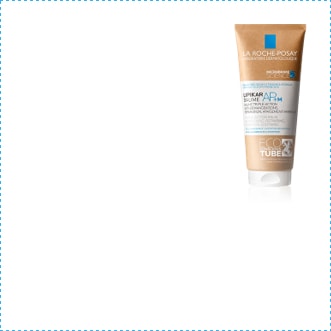
This product is in the 10th percentile of the lowest environmental footprint in its category.

THE IMPACT OF A PRODUCT
THROUGHOUT ITS LIFECYCLE

Let’s review the major impact factors that are authoritative for the scientific community

The impact on: 
THE CLIMATE
AIR QUALITY
THE OZONE LAYER 

DID
YOU KNOW?

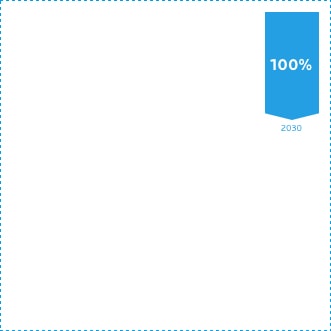
By 2030, 100% of the plastic used in our packaging will be either from recycled or biobased sources. So far, we have achieved 25%.